
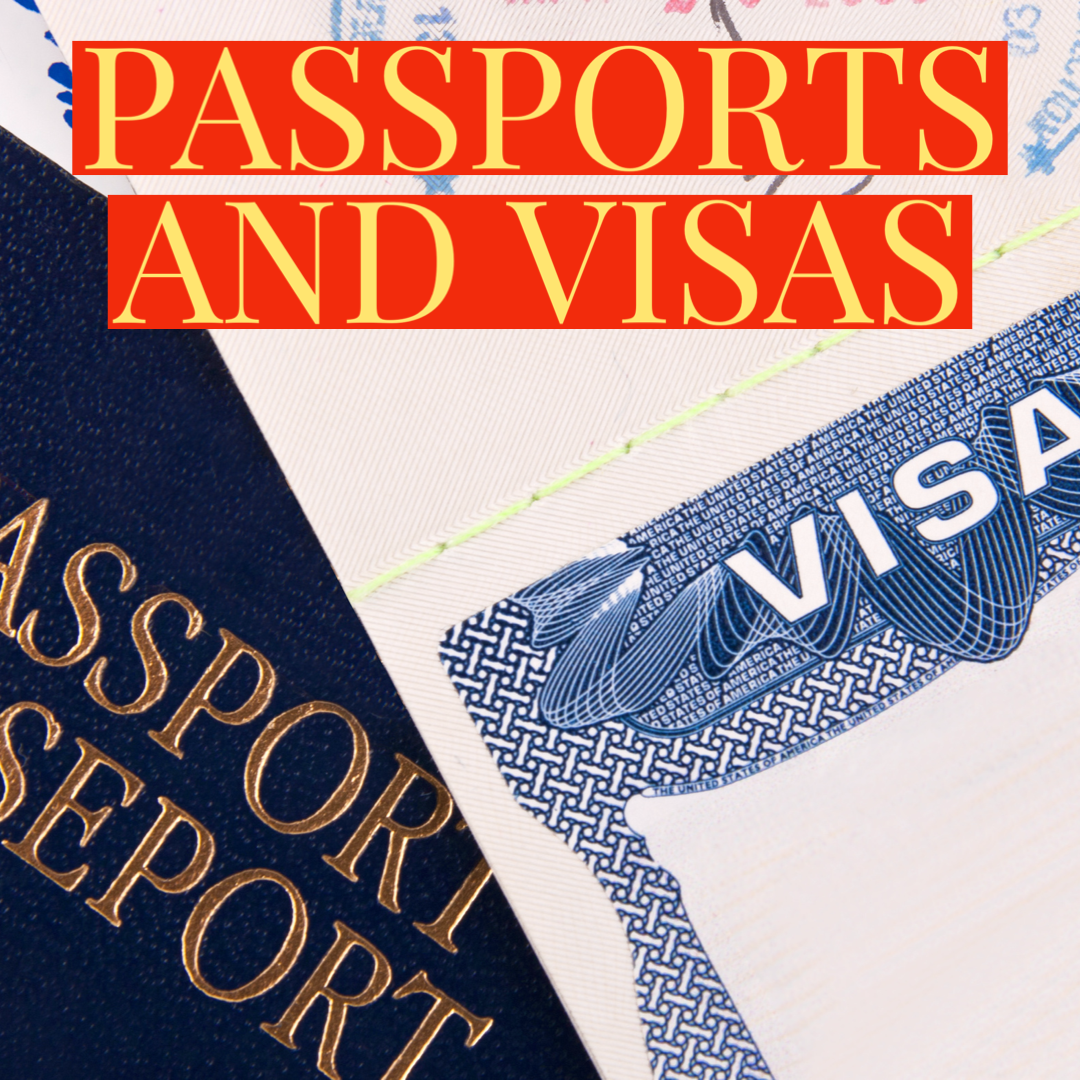
If you’re gearing up for international travel, it’s essential to distinguish between passports and visas. These two documents play distinct roles in facilitating your journey, and understanding their differences is key to a smooth travel experience.

Passports: Your Gateway to the World
A passport serves as a national travel document, verifying your citizenship and allowing international travel. It includes crucial personal information such as your photo, name, birth date, gender, and physical characteristics. For U.S. citizens, some countries only require a passport for re-entry, while others necessitate an additional visa. Diplomats and government officials receive specialized passports.
Visas: The Endorsement for Entry
A visa, on the other hand, is an endorsement within a passport granting official permission to enter, leave, or stay in a foreign country for a specified duration. Common visa types encompass tourist, student, work, and transit visas, each tailored to different travel purposes. The validity of visas varies, and some may require application before entry, while others are granted upon arrival. Certain countries even mandate interviews or medical screenings for visa approval.
If you are a U.S. Citizen, click the following link to see the passport and visa requirements for your travel destination(s): https://travel.state.gov/content/travel/en/passports.html/
Canadian Citizen, click the following link to see the passport and visa requirements for your travel destination(s): https://www.canada.ca/en/immigration-refugees-citizenship/services/canadian-passports.html
Mexican Citizen, click the following link to see the passport and visa requirements for your travel destination(s): https://www.gob.mx/sre/en
Crucial Distinctions Between Passport and Visa
1. Issuing Authority:
• Passport: Issued by your birth country or current country of residence.
• Visa: Issued by an Embassy/Consulate representing a foreign country.
2. Entry Requirements:
• Passport: Usually required for entry into a foreign country.
• Visa: Necessary for entry unless there’s a visa facilitation agreement.
3. Validity:
• Passport: Typically valid for 5 to 10 years.
• Visa: Valid for a few days to months, depending on the type.
4. Entry Permit:
• Passport: Sufficient for travel.
• Visa: Required for entry into each destination country.
Types of Passports
Several passport types cater to different needs:
• Regular Passport: For most citizens.
• Service Passport: For government officials on work-related travel.
• Diplomatic Passport: For diplomats on international missions.
• Emergency Passport: Issued quickly for lost or stolen passports.
• Collective Passport: For group travels, like school trips.
• Family Passport: Joint travel document for a family.
Understanding these distinctions ensures you’re well-prepared for international travel. While some countries may have visa agreements allowing passport holders to travel visa-free, it’s crucial to check requirements for each destination. Safe travels!





Leave a Reply