
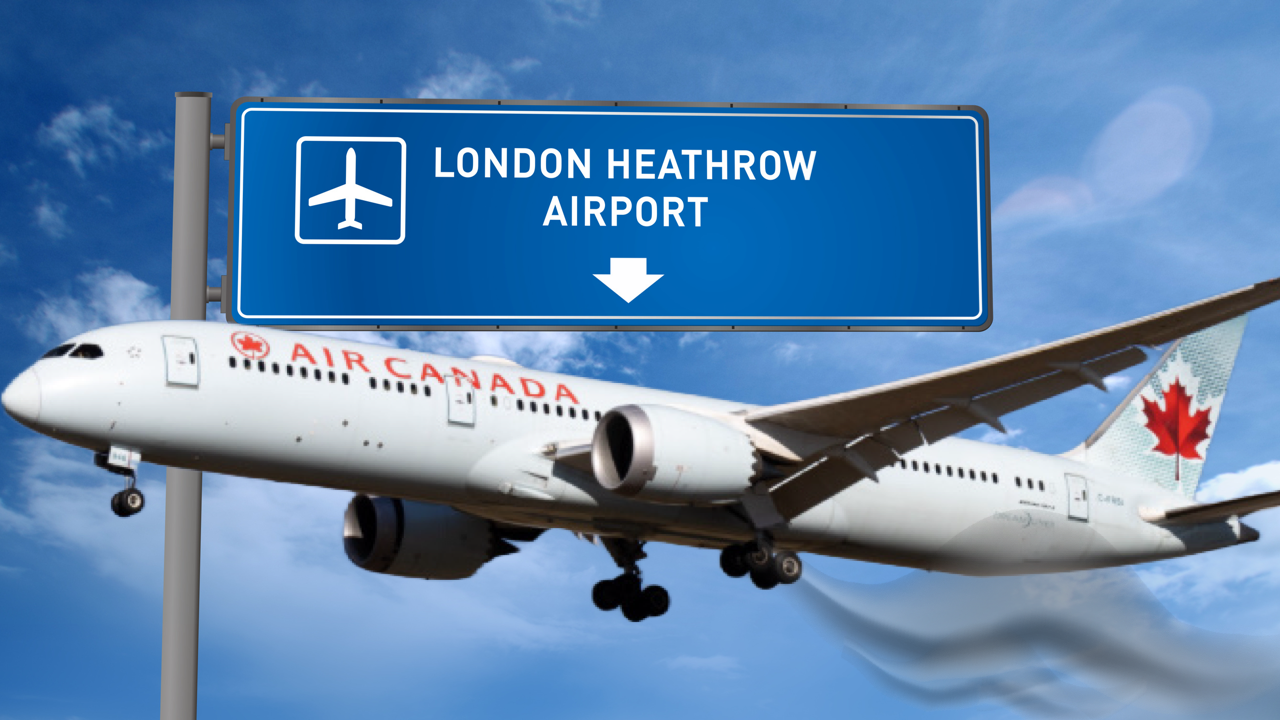

In a recent incident at London Heathrow Airport, an Air Canada Boeing 787-9 Dreamliner demonstrated the power of proactive safety measures. During takeoff for Flight AC-856 to Mumbai, the cockpit received alerts from the Engine Indicating and Crew Alerting System (EICAS) about smoke and two flat tires. This cutting-edge technology allowed the pilots to make a swift decision to return to Heathrow, showcasing their expertise and commitment to passenger safety.
What is EICAS?
EICAS, a sophisticated system utilized by various aircraft, played a crucial role in this event. By instantly relaying vital information, such as tire temperatures and pressures, the cockpit received real-time updates on the aircraft’s performance. The pilots, equipped with this invaluable data, wisely chose to prioritize passenger safety by returning to the departure airport.
Despite the Boeing 787-9’s robust design featuring fuse plugs in its tires to prevent explosions, the control tower reported smoke during the incident. With EICAS highlighting a fault in brake five and zero pressure in the 5th tire on the main landing gear, the pilots made the well-informed decision to burn off fuel for a safer landing weight. This cautious approach reflects the dedication of Air Canada’s pilots to ensuring the well-being of their passengers.
Upon landing, emergency vehicles promptly met the 787-9 for a thorough pre-gate inspection. The active runway was also scrutinized for potential debris, mitigating any foreign object debris (FOD) risk. The post-incident inspection revealed the importance of such meticulous procedures in aviation safety.
Engine Indicating and Crew Alerting System (EICAS) emerged as the hero in this scenario, defined as an aircraft system that not only displays engine parameters but also alerts the crew to system configuration or faults. This incident underscores the significance of EICAS across various aircraft types, including Boeing and Embraer, in providing comprehensive insights into critical aspects such as fuel quantity, cabin pressure, and landing gear status.
In the end, the 787-9’s landing gear underwent a thorough inspection by maintainers over the following 24 hours. This incident serves as a testament to the effectiveness of advanced aircraft systems, the skillful decision-making of the Air Canada pilots, and the industry’s unwavering commitment to passenger safety.




Leave a Reply